
Why Is Visible Light Transmission an Important Factor When Choosing Window Tint
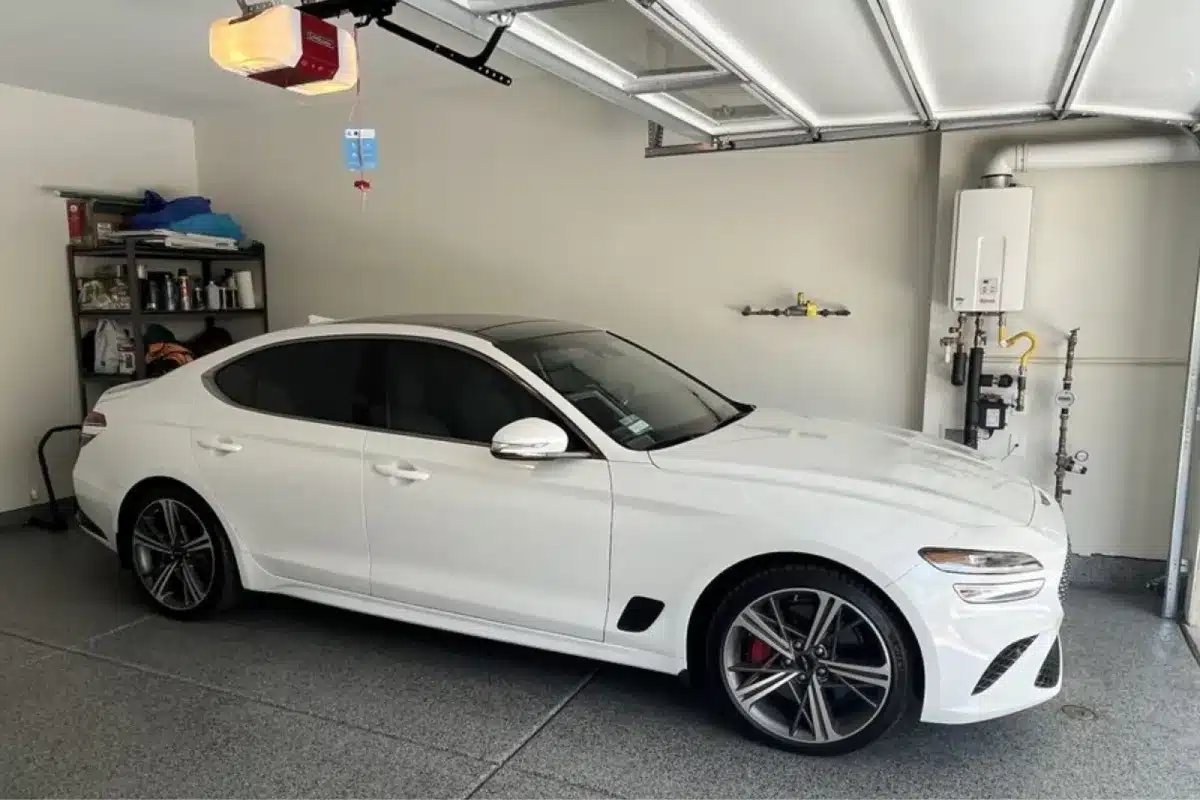
Visible Light Transmission is a critical factor when choosing window tint because it dictates the precise percentage of natural light allowed to pass through your

Visible Light Transmission is a critical factor when choosing window tint because it dictates the precise percentage of natural light allowed to pass through your

Ceramic coating protects a vehicle’s factory clear coat by chemically bonding to the paint surface at a molecular level, creating a semi-permanent, sacrificial shield of

To identify and fix rock chip damage that penetrates a paint protection film (PPF) topcoat, inspect the strike zone for a loss of gloss, rough

To safely clean and maintain large glazed surfaces after commercial window tinting, wait at least thirty days for the adhesive to fully cure, then use

Drivers choose auto window tinting because it blocks up to 60% of solar heat and cuts out critical blinding glare, drastically improving cabin comfort and

Dual-reflective film and one-way mirror film are the best choices for daytime business privacy, as they leverage outdoor brightness to create a highly reflective exterior

Your vehicle is overdue for a ceramic coating if water struggles to bead on the surface, your paint appears dull or oxidized, or bugs and

Paint protection film shields your car from road salt and grime by acting as a thick, non-porous elastomeric barrier that blocks corrosive chemicals from touching

Window tinting protects your car from the harsh sun by blocking ultraviolet (UV) rays, reducing infrared heat, and limiting glare that enters through the glass.

Car paint looks faded after a wash because of microscopic surface defects like oxidation, heavy swirl marks, and a “dull” clear coat that scatters light

Paint correction enhances a car’s appeal by mechanically removing surface defects like swirl marks, scratches, and oxidation that muffle the paint’s natural brilliance. By leveling

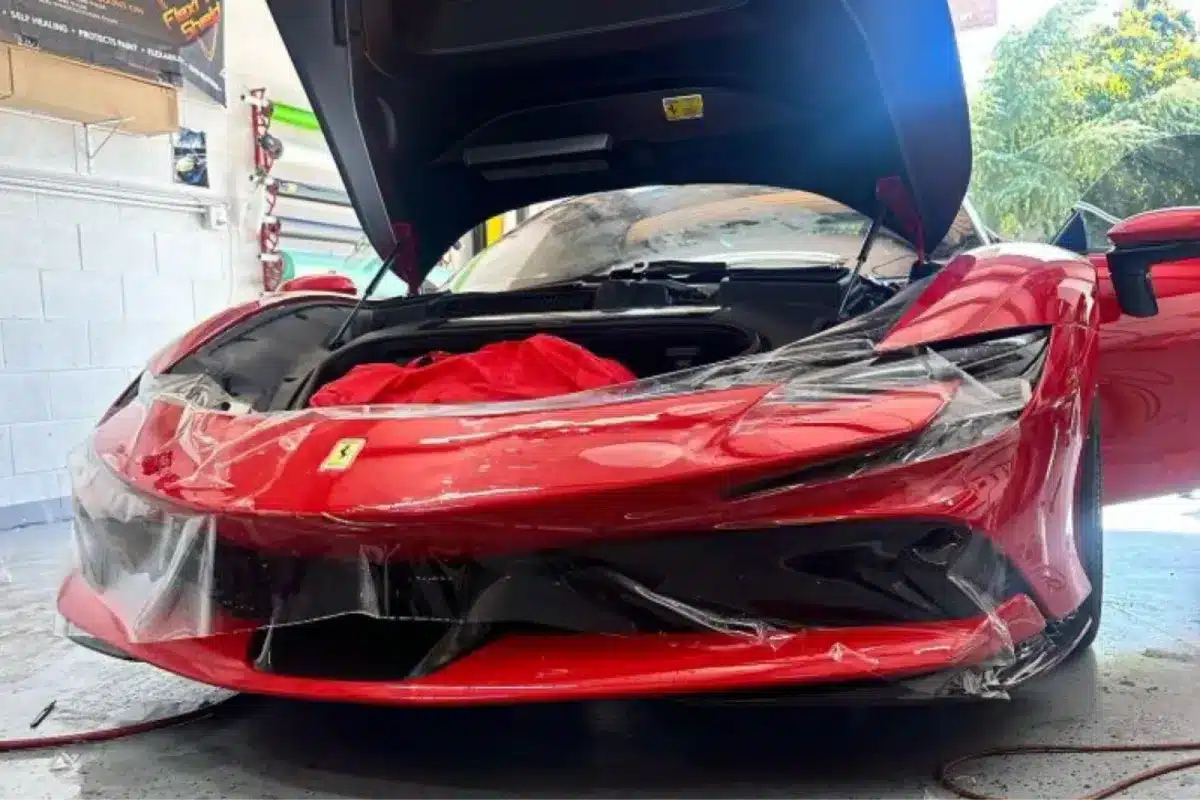
More drivers are choosing paint protection film because it offers long-term defense against rock chips, scratches, UV damage, and chemical stains while preserving a vehicle’s