
Ceramic coating helps protect a vehicle’s factory clear coat by forming a durable, water-repellent layer over the prepared paint surface. This layer helps reduce the effects of UV exposure, bird droppings, road grime, and other environmental contaminants. Although it does not prevent all paint damage, it can make routine cleaning easier and help preserve the finish when properly maintained.
Technical Features of Ceramic Coating
Ceramic coating technology relies on protective compounds, often including silicon dioxide (SiO₂), that form a thin layer over a vehicle’s prepared exterior. The coating’s actual performance depends on its formulation, surface preparation, application, and curing conditions.
Several technical properties help explain how ceramic coatings work:
- Silicon Dioxide Content: Some ceramic coatings contain silicon dioxide, which contributes to surface hardness, water repellency, and chemical resistance. However, a higher concentration alone does not guarantee better performance.
- Surface Bonding: Properly applied ceramic coatings form a durable bond with the prepared surface. This helps the coating remain in place through normal driving and routine washing.
- Pencil Hardness Rating: Some coatings advertise a 9H hardness rating based on a pencil hardness test. This rating measures resistance to marking under specific test conditions. It does not mean the coating is scratch-proof or harder than every factory clear coat.
- Water Contact Angle: A coating’s contact angle describes how a water droplet sits on the surface. A higher angle generally indicates greater water repellency, helping water bead and move across the surface. Actual performance varies by product and maintenance condition.
How Environmental Contaminants Damage Untreated Clear Coat
Without suitable protection and routine maintenance, a vehicle’s clear coat can gradually deteriorate from environmental exposure. The damage often develops through several stages.
1. Contaminants Settle on the Surface
Industrial fallout, bird droppings, tree sap, bug splatter, and road grime can collect on a vehicle’s exterior. If these contaminants remain on the surface, some may bond to the finish or begin affecting the clear coat.
2. Sunlight and Heat Increase Exposure
Direct sunlight heats exterior panels and can accelerate certain chemical reactions. Heat may also cause contaminants to dry onto the surface, making them harder to remove safely.
3. Chemical Reactions Affect the Clear Coat
Some contaminants, including acidic bird droppings and certain industrial deposits, can etch or stain the clear coat if left untreated. The severity depends on the contaminant, temperature, exposure time, and condition of the finish.
4. Repeated Exposure Can Cause Visible Deterioration
Over time, UV exposure, chemical contamination, and improper washing can contribute to fading, water spots, fine scratches, and loss of gloss. Regular cleaning and appropriate surface protection help reduce these risks.
Environmental Performance Matrix: Nano-Ceramic Shield vs. Standard Carnauba Wax
For decades, car owners relied on traditional paste waxes to protect their vehicles. However, the performance gap between old-school organic wax and modern nano-ceramic chemistry is massive when it comes to defending against harsh outdoor elements.
| Performance Attribute | Ceramic Coating | Carnauba Wax |
|---|---|---|
| Water Repellency | Helps water bead and move across the surface | Provides water beading while the wax remains effective |
| Chemical Resistance | Helps resist certain contaminants, depending on the formulation | Offers limited protection against many chemical contaminants |
| Heat Resistance | Depends on the product’s tested specifications | Generally less heat-resistant than automotive ceramic coatings |
| Protection Period | Can provide protection for months or years, depending on the product and care | Often requires reapplication every several weeks or months |
| Cleaning | Can make dirt and grime easier to remove | Can make routine cleaning easier while the wax remains effective |
| Scratch Protection | May help reduce light wash-related marring but cannot prevent all scratches | Offers limited protection against physical abrasion |
Debunking the Myth: “Ceramic Coatings Form an Indestructible Armor That Completely Eliminates the Risk of Rock Chips or Deep Scratches”
As ceramic coatings have grown in popularity, a major industry exaggeration has emerged, leading many vehicle owners to believe these products form an impenetrable, bulletproof armor around their cars. It is common to see advertisements suggesting that once a vehicle is coated, it is completely immune to flying road gravel, deep key scratches, or shopping cart impacts.
This myth misrepresents the physical properties of nanotechnology. While a premium ceramic coating increases surface slickness and hardness, which help prevent fine micro-swirls during washing, it lacks the physical thickness and elastomeric cushioning required to absorb heavy mechanical impacts. A cured ceramic layer is only a few microns thick, engineered specifically for chemical resistance, UV deflection, and gloss retention. To protect a vehicle from physical stones and deep road debris impacts, you need the thick, shock-absorbing urethane barrier of paint protection film (PPF). Understanding this distinction helps drivers make informed decisions about tailoring their vehicle’s defense systems.
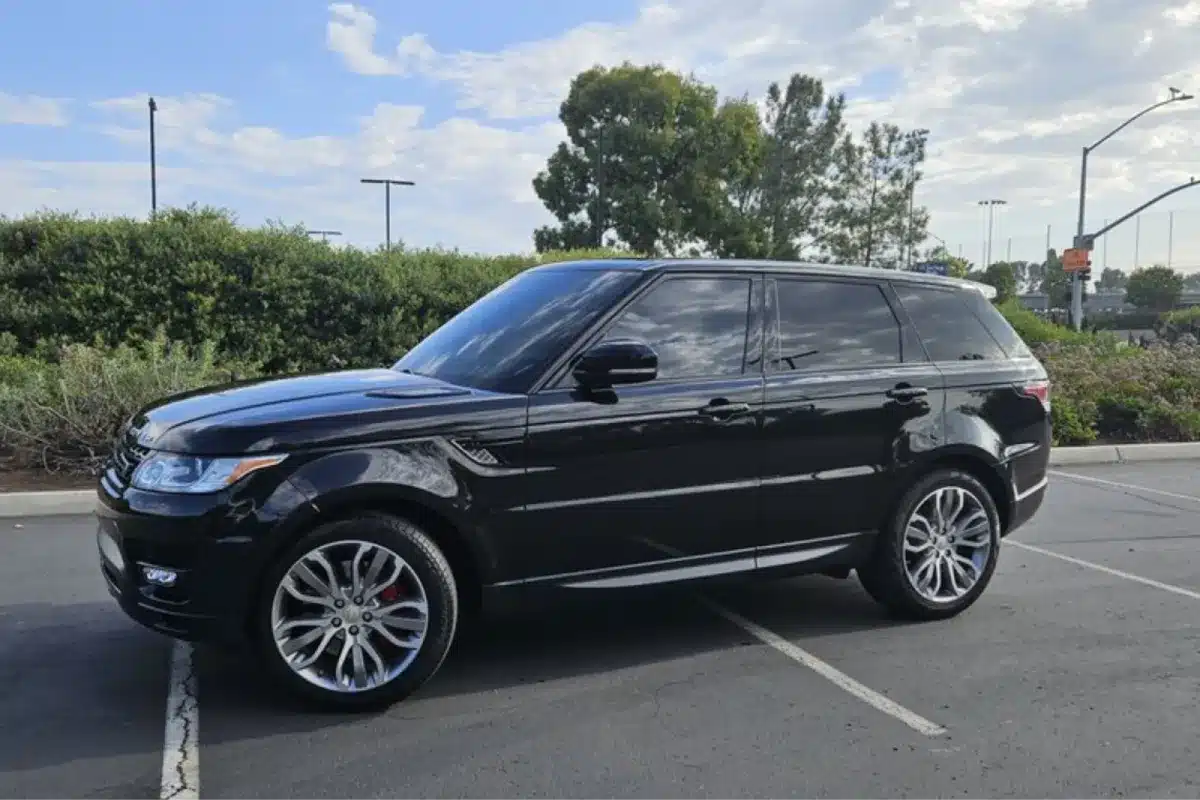
Applying Our Advanced Surface Protection Systems to Solve This
At Kingdom Tint, we believe protecting your vehicle starts with quality workmanship, honest service, and premium materials. With 20+ years of industry experience, we provide direct owner access from start to finish, giving every customer a transparent, personalized experience focused on long-term results rather than quick fixes.
Every vehicle receiving a ceramic coating in Carlsbad, CA, is carefully prepared using certified premium products only and applied by experts who care about every detail. Our meticulous process creates a hydrophobic finish that repels dirt, water, and UV rays, delivering protection against fading, oxidation, and chemical stains while helping you maintain that glossy, just-detailed look for years.
The result is easier washing, less maintenance, and more peace of mind with a finish designed to withstand everyday driving and Southern California’s harsh conditions. For added confidence, every installation is backed by our lifetime warranty, providing a no-hassle solution that keeps your vehicle protected and looking its best.
Regional Climate Pressures and Local Coating Selection Strategies
Southern California drivers regularly face intense UV rays, coastal salt air, marine moisture, and environmental contaminants that can gradually dull and damage automotive paint. Investing in ceramic coating helps create a durable protective barrier that shields your vehicle from oxidation, fading, and everyday environmental exposure while maintaining a deep, glossy finish.
A professional application provides more than added shine. Choosing ceramic coating in Carlsbad helps repel water, dirt, bird droppings, and road grime, making routine maintenance easier while preserving the appearance of your vehicle. Proper surface preparation and controlled installation also ensure maximum coating performance.
At Kingdom Tint, every vehicle undergoes a thorough decontamination and paint preparation process before the coating is applied. Our approach to ceramic coating promotes strong bonding, long-lasting durability, and enhanced gloss without compromising your factory finish.
Whether you own a daily driver, luxury vehicle, or performance car, Carlsbad ceramic coating is a smart investment that helps reduce maintenance, protect your paint from coastal conditions, and preserve your vehicle’s value for years to come.
Lock in Long-Term Clarity and Defensive Paint Armor
Leaving your vehicle’s factory clear coat exposed to harsh marine air, industrial fallout, and intense UV rays can lead to permanent etching, dull paint, and costly paint correction over time. At Kingdom Tint, we protect your investment with advanced ceramic coating technology and a craftsmanship-first approach, helping keep your vehicle glossy, easier to clean, and better protected against everyday environmental damage.
Let our dedicated family team deliver the exceptional care, honest service, and long-term protection your investment deserves. Contact us for a free consultation or to request your quote today, and experience the peace of mind that comes with premium auto care.
People Also Ask
How does ceramic coating protect against bird droppings and bug splatter?
Ceramic coating creates a protective barrier that helps prevent acidic contaminants from bonding to the paint, making them easier to remove before they cause damage.
Does ceramic coating prevent paint fading from UV rays?
Yes. High-quality ceramic coatings help reduce UV damage, protecting your paint from fading, oxidation, and premature aging.
Can ceramic coating be damaged by automatic car washes?
The coating won’t wash off, but frequent automatic washes with harsh brushes and chemicals can reduce its hydrophobic performance. Hand washing is recommended.
Why do water spots still appear on ceramic-coated vehicles?
Ceramic coating repels water, but minerals left behind after water evaporates can still create spots. The coating makes these deposits easier to remove before they damage the paint.